
How to Smoke a Cigar: The Comprehensive Guide to Proper Technique
To properly smoke a premium cigar, you should draw the smoke exclusively into your mouth, swirl it gently to taste the flavor notes, and exhale completely. You do not inhale cigars. Unlike cigarettes, premium cigar tobacco is alkaline and fermented, meaning its nicotine is designed to absorb directly through the soft lining of your mouth rather than your lungs.
For those transitioning from cigarettes, vaping, or entering the world of premium tobacco for the first time, learning how to smoke a cigar requires breaking old habits. A handcrafted cigar is not a delivery vehicle for a quick chest hit; it is an artisanal product meant to be savored slowly. If you pull this dense smoke into your respiratory system, your body will reject it instantly with a violent coughing fit. To truly appreciate fine tobacco, you must master the mechanics of smoking purely for flavor.
The Science of Cigar Smoke: Why You Can't Inhale
To understand why inhaling cigar smoke is a massive mistake, you have to look at the chemistry of the leaf. Cigarettes utilize thin, chemically treated paper and flue-cured tobacco blends that are highly acidic. This acidity milds out the smoke's harshness, allowing it to slip easily down into the lungs for rapid bloodstream delivery.
Premium cigars are entirely natural, pure tobacco leaves that undergo a lengthy fermentation process over several years. This process strips away harsh texturing but leaves behind a highly alkaline smoke profile. Because human lungs are incredibly sensitive to alkalinity, trying to force heavy cigar smoke into your respiratory system triggers an immediate defensive spasm. It is a physical warning from your body that you are missing the point of the experience.

How Nicotine is Absorbed via the Palate
If the smoke never touches your lungs, how do you experience the relaxing properties of premium tobacco? The answer lies in your oral anatomy. Your mouth is lined with a dense network of mucous membranes and blood vessels. Because cigar smoke is alkaline, the nicotine dissolves naturally in your saliva and is absorbed directly through these soft oral tissues.
This process enters your bloodstream at a slower, much more sustained pace than a cigarette. Think of it as the difference between chugging an energy drink and sipping a complex glass of aged scotch. Inhaling a cigar ruins this micro-absorption process, spiking your system too fast and guaranteeing a bad case of motion sickness.
How to Properly Smoke a Cigar: The 4-Step Checklist
To achieve a perfect burn line and maximum flavor extraction without exposing your lungs, follow this foundational ritual:
1. Prepare the Cap (The Cut)
Before you light up, you must open the capped end of the cigar to create an air channel. Do not bite the end off or puncture it with a pen, as this will cause the outer wrapper leaf to unravel mid-smoke. You need a clean, precise slice using a double-guillotine or v-cutter. For a complete breakdown of the exact anatomy of where the cap meets the shoulder, read our specific, step-by-step guide on how to cut a cigar.
2. Ignite the Foot (The Light)
Lighting a premium cigar is closer to roasting a marshmallow than striking a cigarette. You want to use a clean-burning butane torch lighter rather than a sulfur match or a gas-station lighter, which can taint the tobacco with chemical aromas. You must gently toast the outer perimeter of the foot from a distance before bringing the stick to your lips. To master this flame-free ignition technique and protect your blend from scorching, follow our dedicated walkthrough on how to light a cigar.
3. The Mouth-Draw Technique (The Puff)
Place the cut cap to your lips. Do not take a deep breath. Instead, use your jaw and cheek muscles to create an internal vacuum—exactly like you are pulling a thick milkshake through a straw. Draw the smoke purely into your oral cavity, swirl it over your tongue for two to three seconds so your taste buds can register the flavor profile, and then gently push it completely out of your mouth. Do not swallow or draw fresh air into your throat until all visible smoke has left your lips.
4. Manage the Cadence (The Pace)
Maintain a strict tempo of one puff every 45 to 60 seconds. Smoking too fast overheats the delicate essential oils in the wrapper, causing the tobacco to taste bitter and charred. Smoking too slowly allows the core ember to cool down and extinguish. Pace yourself to keep the combustion temperature perfectly balanced.
| Smoking Step | The Correct Action | Why It Matters |
|---|---|---|
| The Cut | Slice cleanly 1/8th inch off the cap. | Prevents the wrapper leaf from completely unraveling mid-smoke. |
| The Light | Toast the foot from a distance without touching the flame to tobacco. | Keeps bitter carbon, butane flavor, and heavy tar out of your first puff. |
| The Draw | Pull smoke into the oral cavity only; do not inhale. | Protects lung tissue and ensures nicotine absorbs naturally via the palate. |
| The Pace | Puff steadily every 45 to 60 seconds. | Prevents the cigar from burning too hot (bitter) or going out completely. |
Advanced Tasting: Unlocking Hidden Flavors Safely
Because you aren't pulling the smoke into your chest, you rely entirely on your palate to experience the complex transitions of the blend. Premium long-filler tobacco contains natural sugars and oils that mimic tasting notes like rich leather, earthy minerals, white pepper spice, creamy vanilla, and espresso bean.
If you want to take your flavor perception to an advanced level without risking your lungs, you can try a classic method called the retrohale. This involves moving a tiny percentage of the smoke from the very back of your mouth out through your nasal passages as you exhale, entirely bypassing your throat while activating your olfactory receptors. To master this skill safely without inhaling, check out our expert guide on how to retrohale a cigar.
Recognizing Your Limits and Preventing Sickness
Because oral absorption is slower than lung inhalation, beginners sometimes make the mistake of puffing too aggressively, thinking they aren't feeling the effects. This quickly superheats the cigar, causing a heavy buildup of bitter liquid tars at the cap, which can lead to a sudden wave of nicotine sickness.
If you begin to feel slightly dizzy, clammy, or experience mild stomach butterflies, stop drawing immediately. Set the stick down in a dedicated ashtray and let it go out naturally. Do not smash it out like a cigarette, as crushing the binder leaves releases harsh, acrid aromas into the room. To balance your system quickly, place a small pinch of raw sugar under your tongue or sip a sweet soda; the glucose will rapidly counteract the physical symptoms of a nicotine overload.
The Golden Rule of Premium Storage
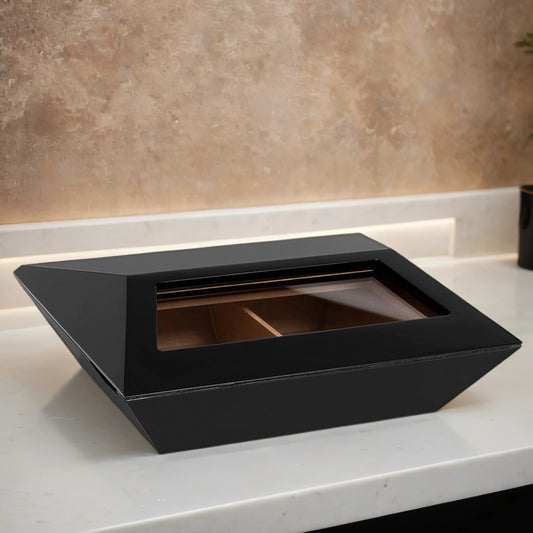
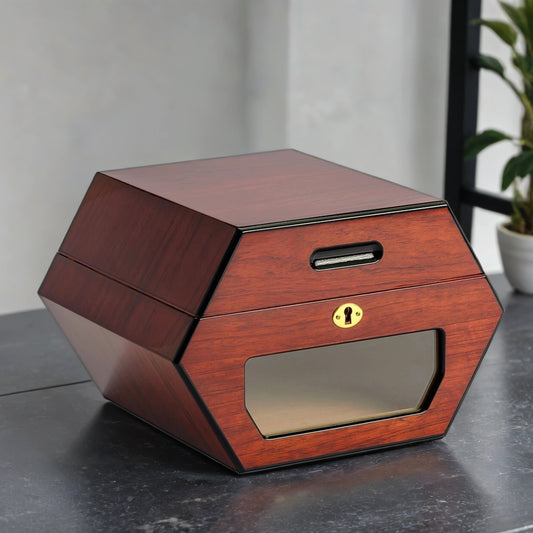
To guarantee your cigars draw effortlessly and maintain the essential oils required for smooth oral absorption, storage environment is everything. Leaving fine sticks exposed to open air dries out the delicate wrapper leaves within 72 hours, ruining the blend's balance and making the smoke harsh. Protect your investments by keeping them safely sealed inside a high-quality, climate-controlled premium humidor calibrated to a steady 65% to 70% relative humidity framework.
Whether you're lighting up a monumental vitola to celebrate a milestone like NFL quarterback Joe Burrow, or simply slowing down for a quiet evening, keeping the smoke inside your palate and out of your lungs ensures an elevated, luxurious smoke session every single time.
Frequently Asked Questions
What happens if you accidentally inhale cigar smoke?
If you accidentally pull a draw into your lungs, you will experience an immediate coughing reflex as your body rejects the heavy, alkaline smoke. You may also feel a sudden surge of dizziness or nausea. Simply stay calm, sit down, breathe fresh air deeply, and drink water to allow the sudden burst of nicotine to settle.
Do you absorb nicotine if you don't inhale cigars?
Yes, significantly. Nicotine is highly soluble and absorbs directly through the soft, porous lining of your mouth, tongue, and gums, providing a sustained sense of physical relaxation without requiring pulmonary exposure.
Can you smoke a small cigar like a cigarette?
No. Even small cigarillos or puritos are constructed from pure, fermented cigar tobacco rather than chemically lightened cigarette tobacco. They carry the exact same alkaline composition and high tar content, meaning they should never be inhaled regardless of their physical size.