
-
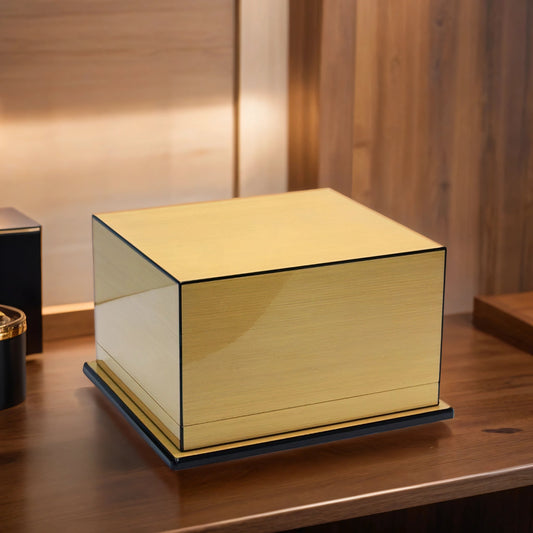
Elevate Pear Wood Desktop Humidor - 150 Cigar Cascading Tray
Regular price $274.99 USDRegular price -
Humidor Supreme Dane 100-Cigar Rosewood Desktop Humidor
Regular price $174.99 USDRegular price$214.99 USDSale price $174.99 USDSale -
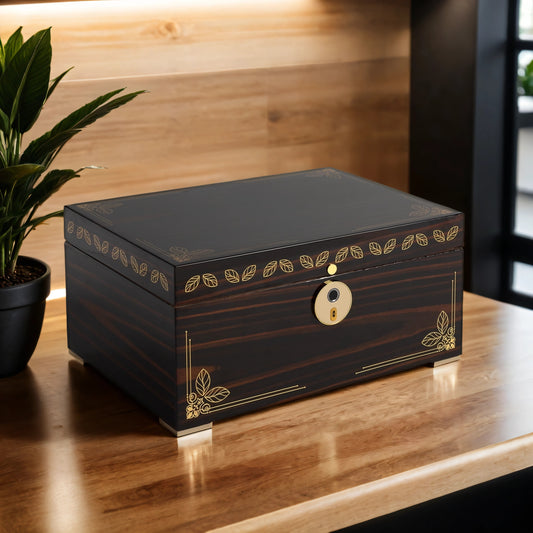
Oro Biometric Desktop Humidor - 125-240 Cigar Ebony Finish
Regular price $314.99 USDRegular price$369.99 USDSale price $314.99 USDSale -
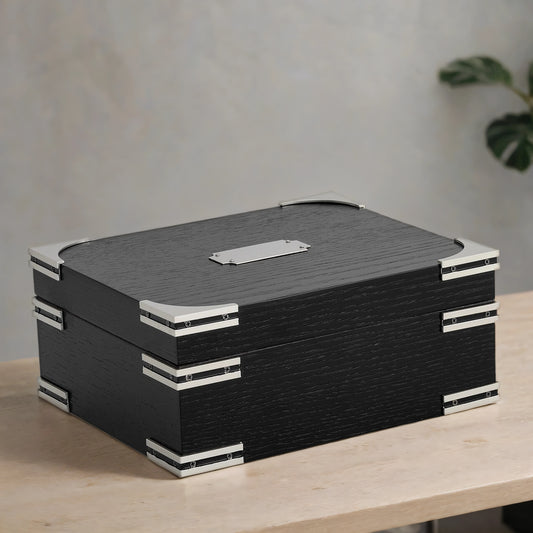
Ironside 25-Cigar Desktop Humidor - Black Oak & Metal Accents
Regular price $129.99 USDRegular price$149.99 USDSale price $129.99 USDSale -
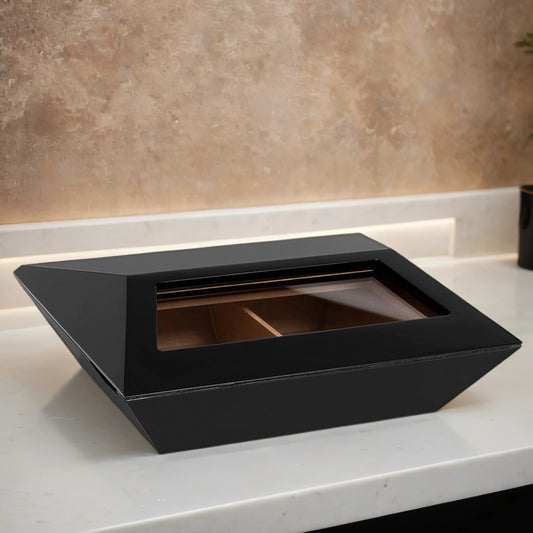
The Aria 80-Cigar Angled Glasstop Desktop Humidor
Regular price $279.99 USDRegular price$329.99 USDSale price $279.99 USDSale -
Humidor Supreme® Cuban Wheel - 35-60 Cigar Rosewood Humidor
Regular price $249.99 USDRegular price$279.99 USDSale price $249.99 USDSale -
Humidor Supreme Valentino Noir 150-Cigar Desktop Humidor
Regular price $374.99 USDRegular price -
Napoli Walnut Burl Desktop Humidor - 75 Cigar Capacity
Regular price $179.99 USDRegular price$224.99 USDSale price $179.99 USDSale -
Brouk & Co. Orson 100-Cigar Glass Top Desktop Humidor
Regular price $399.99 USDRegular price$450.00 USDSale price $399.99 USDSale -
The Vanderbilt Ebony Wood Desktop Humidor - 120 Cigar Capacity
Regular price $249.99 USDRegular price -
Amarone Bubinga 75-Cigar Desktop Humidor with Mappa Burl Inlay
Regular price $189.99 USDRegular price$224.99 USDSale price $189.99 USDSale -
The Regent 75-Cigar Mahogany Desktop Humidor with Storage Drawers
Regular price $169.99 USDRegular price -
Humidor Supreme Madison 130-Cigar Rosewood Desktop Humidor
Regular price $234.99 USDRegular price$279.99 USDSale price $234.99 USDSale -
The Braydon 35-Cigar African Obeche Glass Top Humidor
Regular price $145.00 USDRegular price$175.00 USDSale price $145.00 USDSale -
Visol Lorenzo Glasstop Humidor - 75 Cigar Marbled Burlwood Display
Regular price $214.99 USDRegular price -
The Portofino 100-Cigar Matte Black Dome Top Humidor
Regular price $179.99 USDRegular price$199.99 USDSale price $179.99 USDSale -
Humidor Supreme Alhambra 95-Cigar Desktop Humidor
Regular price $179.99 USDRegular price$214.99 USDSale price $179.99 USDSale -
The Charleston 210-Cigar High-Gloss Cherry Desktop Tower Humidor
Regular price $314.99 USDRegular price -
The Raven 120-Cigar Black Lacquer Glass Top Humidor
Regular price $224.99 USDRegular price -
Visol Remo 50-Cigar Ashburl Wood Desktop Humidor
Regular price $279.99 USDRegular price$319.00 USDSale price $279.99 USDSale -
The Baldwin 100-Cigar Jet Black Glass Top Humidor with Storage
Regular price $259.99 USDRegular price$336.00 USDSale price $259.99 USDSale -
Humidor Supreme Solana 100-Cigar Desktop Humidor
Regular price $229.99 USDRegular price$269.00 USDSale price $229.99 USDSale -
The Waldorf 150-Cigar Polished Ebony Arc Desktop Humidor
Regular price $284.99 USDRegular price$324.99 USDSale price $284.99 USDSale -
Visol Santa Clara 25-Cigar Rosewood Glass Top Humidor
Regular price $94.99 USDRegular price$114.99 USDSale price $94.99 USDSale


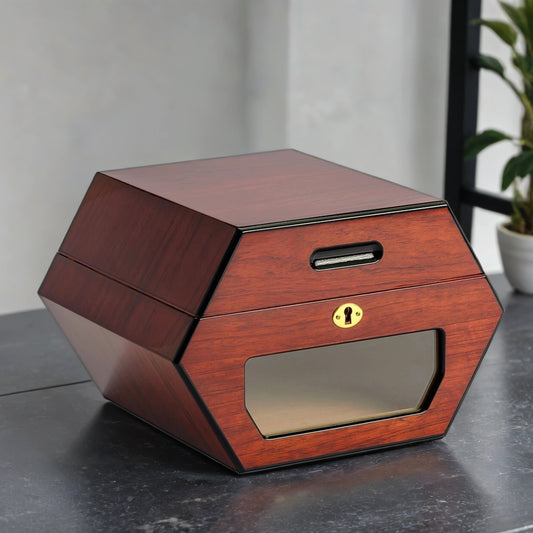


Finding Your Ideal Desktop Humidor: Capacity and Craftsmanship Guide
Choosing a desktop humidor is an investment in the longevity of your collection. While a Travel Humidor is built for impact and an Electric Humidor offers active cooling, the classic desktop unit is prized for its "passive" preservation and furniture-grade craftsmanship.

The Desktop Selection Matrix: Volumetric Reality
In 2026, we prioritize transparency regarding storage. Manufacturer "stick counts" are typically based on slim Corona vitolas. Use the matrix below to estimate how your specific smoking preferences—such as 60-ring gauge Gordos or box-pressed Toros—will impact your actual storage volume.
| Desktop Tier | Standard Cap (42-44 RG) | Large Ring Cap (54-60+ RG) | Best For |
|---|---|---|---|
| Small (Personal) | 25 – 50 Cigars | 15 – 25 Cigars | Office Desks / Daily Rotations |
| Medium (Collector) | 50 – 150 Cigars | 40 – 80 Cigars | Box Splitting & Variety |
| Large (Executive) | 150 – 250+ Cigars | 90 – 130 Cigars | Deep Collections & Box Aging |
Our Selection Criteria for Professional-Grade Storage
Every humidor we carry is vetted against a rigorous set of technical standards to ensure your cigars age properly:
- Aromatic Spanish Cedar: We only source units lined with genuine, kiln-dried Spanish cedar to regulate moisture and deter tobacco beetles.
- Compression Seals: A desktop unit is only as good as its seal. We prioritize "low-clearance" lids that maintain a consistent 65–72% RH.
- Quadrant Hinges: We look for reinforced hardware that won't lose alignment over years of daily use.

Expert Selections: Our Top Desktop Humidor Recommendations
Our product specialists have selected these four models as the "gold standard" for 2026 based on seal-stress tests, material thickness, and hardware durability:
Best Overall Performance: Humidor Supreme® Oro
The Oro is the pinnacle of the 50-count desktop category. It combines a high-gloss finish with gold-plated hardware and a hidden accessory drawer for cutters and lighters. Its heavy-duty lid creates a superior vacuum seal, offering the perfect balance of luxury aesthetics and airtight performance.
Best for Large Collections: The Charleston
Ideal for those who prefer to buy by the box, the Charleston provides a generous 150-cigar capacity. It features a stunning cherry finish and a high-volume, removable Spanish cedar tray with adjustable dividers. This allows for multi-layer organization and ensures even humidity distribution across a diverse collection.
Best for Beginners & Value: The Ironside
The Ironside is our definitive "buy it once" starter pick. Engineered with rugged construction and a rock-solid seal, this 50-count unit acts as a fortress for your cigars. It is specifically designed to be "forgiving," making it nearly impossible for a beginner to suffer from fluctuating RH levels.
Best for Visual Display: The Lorenzo
The Lorenzo is our premier choice for showcasing a collection without breaking the airtight seal. Featuring a three-sided glass display, its panels are precision-seated in deep-recessed wood moldings, eliminating the humidity leaks common in standard glass-top designs.
Desktop Humidor FAQ
How do I season my new desktop humidor?
Before adding cigars, you must "charge" the wood. We recommend using Boveda 84% Seasoning Packs for 14 days. This ensures the dry Spanish cedar absorbs enough moisture so it won't strip humidity from your cigars, which can lead to tunneling, cracked wrappers, and uneven burns.
What is the "Whoosh Test" for humidor seals?
To test a desktop humidor’s seal integrity, let the lid drop naturally from about two inches open. You should hear a soft "whoosh" of escaping air, and the lid should slow down slightly before closing. If the lid slams shut with a loud bang, the seal is likely too loose for long-term aging.
How many cigars can I actually fit in a desktop humidor?
Manufacturer counts are typically based on the standard Corona size (5.5" x 42 ring gauge). If you prefer larger cigars like 60-ring gauge Gordos, Toros, or Churchills, you should expect to fit roughly 20% to 30% fewer cigars than the advertised capacity of the box. Refer to our **Selection Matrix** above for estimated volumetric capacities.
Not sure if a tabletop model is right for you? Explore our full range of Cigar Humidors to compare desktop units with our larger cabinets and furniture-grade displays.