How Cigars Built Florida: Key West, Ybor City, and the Legacy of the Lectores
Long before tourism, aerospace, or air conditioning redefined the Sunshine State, Florida was built on tobacco smoke. In the late 19th century, Florida was largely a sparse, marshy frontier. Yet within a few short decades, a dramatic influx of Cuban entrepreneurs, skilled artisans, and political revolutionaries transformed the state into the cigar-manufacturing capital of the world.
From the sun-drenched docks of Key West to the red-brick factory avenues of Ybor City, the story of Florida’s cigar industry is a rich tapestry of geopolitical drama, labor activism, intellectual tradition, and economic genius. It is a saga that not only forged Florida's modern industrial identity, but also funded a foreign revolution and forever changed American smoking culture.

The Island Outpost: Key West as Florida's First Cigar Powerhouse
The story of American cigar manufacturing began not on the mainland, but 90 miles off the coast of Cuba. In the 1860s, Cuba was embroiled in the Ten Years’ War against Spanish colonial rule. As fighting devastated tobacco plantations and colonial authorities clamped down on political dissent, thousands of Cuban tobacco workers and factory owners fled the island.
Key West, with its deep-water port and immediate proximity to Havana, became the natural sanctuary. Spanish-born cigar magnate Vicente Martinez-Ybor was among the first to realize the economic potential of this geographic shift. By moving operations to U.S. soil, manufacturers could import top-tier "Clear Havana" tobacco leaves unrolled, bypassing high federal import tariffs on finished cigars while retaining the master craftsmanship of exiled Cuban torcedores (cigar rollers).
By the 1870s, Key West had transformed from a quiet maritime outpost into a bustling industrial boomtown. Dozens of factories lined the island, producing tens of millions of hand-rolled cigars annually. However, Key West’s reign as the sole cigar capital was short-lived. Isolated from the U.S. mainland railroad network, plagued by labor strikes, and vulnerable to devastating fires, most notably the Great Fire of 1886, manufacturers began searching for a location with better transportation links and room to expand.

The Great Northern Exodus: Building Ybor City
In 1885, guided by land surveyor Gavino Gutierrez and enticed by industrialist Henry Plant’s newly constructed steamship lines and railroads, Vicente Martinez-Ybor and rival manufacturer Ignacio Haya purchased 40 acres of scrubland northeast of Tampa.
What followed was one of the most remarkable urban planning feats in Florida history. Ybor did not merely build factories; he built a company town designed to attract and retain skilled labor. He constructed hundreds of wooden casitas (workers' cottages), paved streets, established medical clinics, and fostered mutual-aid social clubs for Cuban, Spanish, and Italian immigrants.
At the center of this new city stood the grand Ybor Cigar Factory, a three-story brick masterpiece engineered with wide, sunlit windows to give rollers natural light, and high ceilings designed to circulate air through Tampa's humid climate. By 1890, Tampa had earned its title as the "Cigar Capital of the World," pumping out hundreds of millions of premium cigars every year.

The Lector System: The Intellectual Heart of the Rolling Floor
While the physical scale of Ybor City was impressive, its cultural institution made it truly unique in industrial history: the tradition of El Lector (The Reader).
Hand-rolling cigars requires intense focus and manual dexterity, but leaves the mind entirely free. To pass the long hours on quiet rolling floors, Cuban workers created a system where they collectively pooled their own wages to hire a lector. The lector sat on an elevated wooden platform in the center of the factory floor, equipped with a booming voice and flawless diction.
The lector’s daily schedule was structured with military precision:
- Morning Sessions: Translation and reading of national and international newspapers, political dispatches, and local news.
- Afternoon Sessions: Classic literature, poetry, and dramatic plays chosen by worker vote. Works by Victor Hugo, Charles Dickens, Émile Zola, and Miguel de Cervantes were staples of the factory floor.
Because of the lector system, factory workers in Key West and Tampa, many of whom had received little formal education, became some of the most politically conscious and well-read laborers in the United States. When a lector performed exceptionally well, the factory floor echoed not with applause, but with the rhythmic tapping of hundreds of wooden cigar-packing blades against rolling tables.

Cigars, Revolution, and José Martí
The intellectual atmosphere created by the lectores turned Florida’s cigar factories into fertile ground for political revolution. In the early 1890s, Cuban poet and revolutionary leader José Martí traveled extensively through Key West and Ybor City to rally support for Cuba’s War of Independence against Spain.
Martí stood on factory steps and lector platforms, delivering impassioned speeches to thousands of workers. Cigar rollers regularly pledged 10% or more of their weekly earnings directly to the revolutionary fund. In fact, the official order to initiate the 1895 Cuban uprising was famously rolled inside a cigar wrapper at an Ybor City factory and smuggled across the Florida Straits directly into Havana.
The Modern Legacy: From Historic Brick Factories to Modern Preservation
Though the advent of automated rolling machines and the 1962 Cuban embargo shifted the global cigar market, Florida’s historic cigar legacy never faded. Today, walking through Ybor City’s Seventh Avenue or Key West’s historic Gato Building reveals a culture deeply proud of its tobacco roots.
Florida’s rise from a wild territory to an economic powerhouse was built on the backs of master artisans, visionaries like Vicente Martinez-Ybor, and the resonant voices of the lectores. The heritage forged in those historic rolling rooms continues to shape how we smoke, collect, and appreciate fine cigars around the world today.
Florida's Lasting Legacy in Cigar Innovation
With such a deep-rooted heritage, it is no surprise that Florida remains the undisputed capital of American cigar culture today. However, preserving fine hand-rolled cigars in Florida's warm, humid climate has always required expertise. Just as 19th-century factory masters relied on specialized aging rooms to protect their precious inventory from heat and humidity spikes, modern collectors rely on cutting-edge technology.
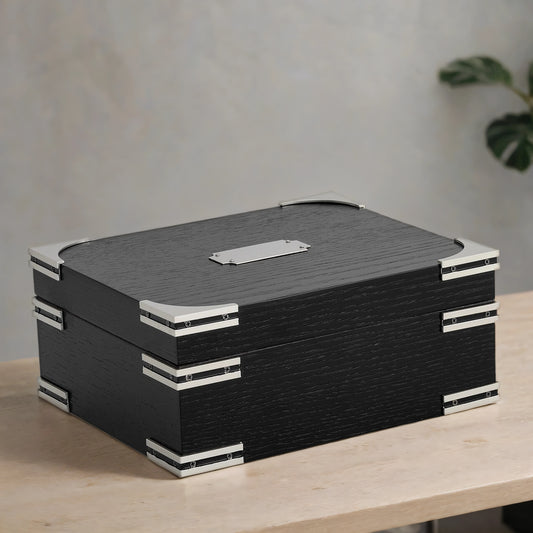
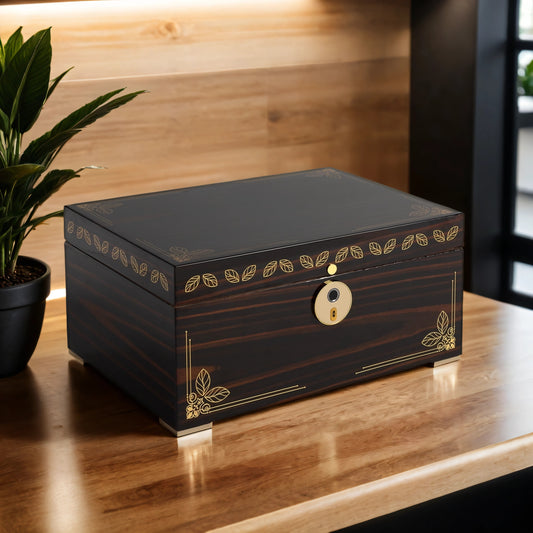
Today, that spirit of craftsmanship lives on in modernized storage solutions. If you are looking to safeguard your own collection with precision temperature and humidity control, explore our premium selection of electric humidors designed to keep your sticks in peak smoking condition.