
Cuban vs Dominican Cigars: The Ultimate Connoisseur’s Comparison Guide
The main difference between a Cuban and a Dominican cigar lies within the depth of the flavor journey. Cuban cigars typically bring bold, earthy tones heavily defined by intense pepper, raw spice, and a historic whiff of Cuban mystique.
Dominican cigars tend to be significantly smoother and creamier, showcasing a much wider range of diverse flavor profiles from mild cedar and roasted nuts to the occasional peppery surprise. One offers a concentrated hit akin to a dark shot of espresso, while the other delivers the balanced, layered complexity of a perfectly poured cappuccino.
Determining which option is truly superior depends entirely on your personal palate preferences, your physical passport access, and whether you care to navigate the strict complexities of modern customs enforcement. Let us break down the exact structural, historical, and chemical differences between these two legendary tobacco giants.
At a Glance: Cuban vs. Dominican Tobacco
For a quick overview of how these two legendary regions stack up against each other, review the core characteristics below:
| Feature | Cuban Cigars | Dominican Cigars |
|---|---|---|
| Primary Flavor Notes | Bold earth, intense pepper, raw leather, dark spice | Cream, cedar, roasted nuts, subtle cocoa, soft spice |
| Construction & Draw | Traditional, sometimes tight or inconsistent | Flawless precision, highly reliable, excellent airflow |
| Strengths Available | Mainly medium-to-full and robust profiles | Massive range from ultra-mild to intensely full-bodied |
| U.S. Legality | Strictly illegal under current federal embargo rules | 100% legal and widely available across the country |
The Cuban Twang: The unmistakable flavor unique to Cuban tobacco is caused by a distinct soil composition rich in lithium and iron. This specific geological makeup, combined with the unique microclimate of the island, creates a raw, metallic zinc-like undertone that seasoned aficionados affectionately refer to as the "Cuban twang."
A Brief History of Cuban Cigars
Cuban cigars have been meticulously puffed, praised, and collected for centuries. Grown within the ultra-fertile, mineral-rich microclimates of the legendary Vuelta Abajo region, Cuba’s native black tobacco plants became world-famous long before premium cigars evolved into a global symbol of wealth, political power, and luxury indulgence.
The artisanal hand-rolled cigar culture in Havana dates back to the 18th century, establishing historic factory names like Cohiba, Romeo y Julieta, and Montecristo as household legends among seasoned aficionados.
The global reputation of these sticks grew exponentially as they became increasingly difficult to legally source. Following the implementation of the strict United States trade embargo on all Cuban goods in 1962, Cuban cigars immediately took on an elusive, almost mythical status across North America.
Legal supply issues aside, they have successfully remained anchored at the absolute top shelf of smoking lore, frequently sought out as the undisputed gold standard by purists and legendary public figures ranging from Arnold Schwarzenegger and Michael Jordan to fictional cultural icons like Tony Soprano.
A Brief History of Dominican Cigars
The modern success story of Dominican tobacco effectively kicks off with a massive historic exodus. Following the chaotic climax of the Cuban Revolution in 1959, a significant percentage of Cuba’s most talented, generational master cigar makers packed their bags and fled the island regime.
They did not just bring basic personal suitcases, they successfully managed to smuggle out precious heirloom Cuban tobacco seeds, centuries of unwritten agricultural know-how, and a fierce, uncompromising dedication to their rolling craft. Through this migration, the highly respected Cuban legacy cigars were born.
The Dominican Republic welcomed these exiled master blenders with open arms, offering ideal political stability and incredibly rich, versatile soil structures. Over the subsequent decades, the nation evolved into an independent premium cigar powerhouse.
Today, the Dominican Republic stands proud as the single largest exporter of premium, long-filler handmade cigars on the planet. Elite brands such as Arturo Fuente, Davidoff, and La Flor Dominicana are no longer viewed as alternative choices to Havana, they are the undisputed marquee players dominating the international luxury market.
Dominican cigars have earned global acclaim for their exceptionally smooth flavor delivery, flawless structural construction, and meticulous factory quality control. If traditional Cuban cigars are viewed as the volatile, old-money aristocrats of the tobacco world, Dominican cigars are the highly sophisticated, sharp-dressed entrepreneurs who built a flawless modern empire from the ground up.
Are Dominican Cigars Good?
Absolutely. Modern Dominican cigars are far more than just good, many elite releases are universally recognized as truly exceptional. The Dominican Republic serves as the home base for some of the most critically acclaimed, highly rated cigar blends in tobacco history.
The ultra-rare Fuente Fuente OpusX line, for instance, has achieved a near-mythical status among elite collectors, routinely fetching massive premiums at auction. Simultaneously, the house of Davidoff delivers an unparalleled level of high-end rolling consistency, construction perfection, and luxury presentation that easily rivals anything emerging from the state-run factories of Havana.
The beauty of the region lies entirely in its agricultural versatility. Within the Dominican market, you will easily find light, mild, Connecticut-shade wrapped smokes that pair beautifully with a morning coffee, alongside rich, full-bodied, barrel-aged Maduro leaf configurations specifically blended to stand up effortlessly to a heavy steak dinner and a premium glass of neat bourbon.
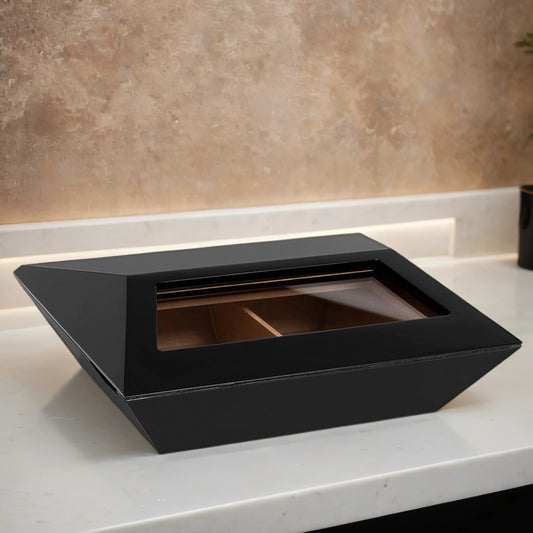
In other words, Dominican producers do not merely hold their own against historical competition, they actively lead the premium industry. My electric humidor certainly contains a great deal of Dominicans, I will tell you that!
Cuban vs Dominican Cigars: Direct Comparison
Side-by-side, comparing a classic Cuban to a premium Dominican cigar is very much like parking a raw, vintage muscle car directly next to a sophisticated, modern luxury sedan. One offers a gritty sense of historic power, unfiltered identity, and heritage, while the other delivers refined smoothness, immaculate construction precision, and the polished benefits of decades of agricultural innovation.
Cuban blends are universally famous for their bold, deeply earthy character, heavily treating the palate to robust notes of direct leather, intense baking spice, and deep, unadulterated natural tobacco oils.
When you sit down to smoke an authentic Cuban, you are actively participating in a centuries-old agricultural tradition that relies entirely on unblended regional terroir. However, that traditional production style can come with caveats.
Due to centralized agricultural struggles and factory volume pressures in Havana, sometimes you will experience a flawless, effortless draw, while other times you will have to actively fight a tightly plugged stick. To many purists, that structural unpredictability is simply viewed as part of the authentic island charm.
Conversely, Dominican cigars represent the highly polished, technologically advanced evolution of that exact same heritage. Because the top Cuban master rollers and tobacco botanists brought their generational talents to the Dominican Republic, the industry was able to combine historic secrets with modern quality assurance models, soil rotation science, and advanced fermentation techniques.
What grew from that mid-century migration is a contemporary powerhouse that fundamentally leads the world in both export volume and blending innovation.
As a direct result, Dominican sticks are characteristically smoother, vastly creamier on the finish, and incredibly consistent from one box to the next. They cover a substantially broader spectrum of the flavor wheel, ranging from soft, delicate, vanilla-sweet profiles to dark, bold, and heavily spiced expressions.
The physical construction is typically pristine, ensuring that your smoking experience is reliably well-ventilated and highly predictable every single time you clip the cap.
Which Should You Choose for Your Palate?
When standing in front of a well-stocked lounge display, your ultimate selection comes down to clear personal preferences:
- If you explicitly prefer heavy, bold, robust tobacco flavors accompanied by an unmistakable aura of historic legend, and you happen to live in or travel to a country where they are fully legal to purchase, traditional Cuban cigars are well worth exploring.
- If you prioritize wide flavor profile variety, silky smoothness, immaculate physical construction consistency, and total legal peace of mind, Dominican cigars are practically impossible to beat.
- For those completely new to the premium tobacco hobby, Dominican smokes are more forgiving and approachable for an unseasoned palate.
- For veteran enthusiasts possessing a highly developed palate and a reliable connection via Swiss or European distributors, leaning heavily into the vintage Cuban profile can be an incredibly rewarding pursuit.
Ultimately, there is no single wrong answer here, there are only shifting individual preferences. It is best to view the choice exactly like choosing a fine wine. Some specific evenings call for a heavy, rustic, highly tannic Italian red, while other occasions are much better suited for a silky, incredibly balanced, and elegant California Pinot Noir.
United States Import Realities and Legal Complications
It is important to completely clear the smoke regarding federal regulations. For individuals residing within or visiting the United States, Cuban cigars are illegal under federal law.
Under current Office of Foreign Assets Control regulations, citizens are completely prohibited from purchasing, importing, or even bringing Cuban-branded tobacco products back into the domestic United States from overseas vacations, regardless of whether they were bought in Canada, Europe, or directly from duty-free shops.
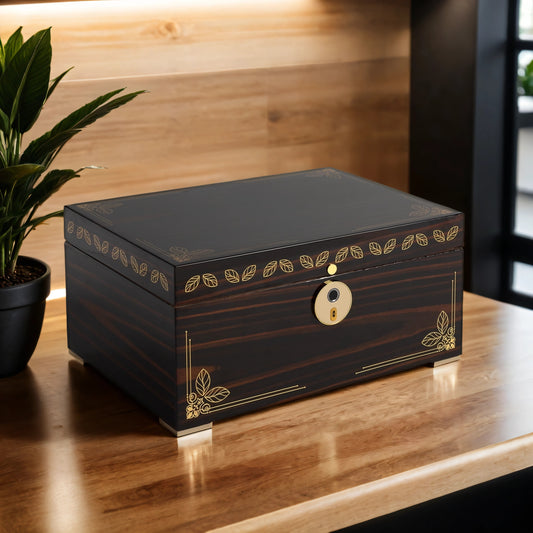
On the other hand, premium Dominican cigars are entirely legal across the United States. They are readily stocked in every premium neighborhood cigar lounge, legally shipped directly to your doorstep by online retailers, and proudly displayed within the collection of high-end furniture pieces like premium humidor cabinets owned by serious residential collectors across the nation.
JFK probably needed an entire warehouse for his 1,200 H. Upmanns, but for the rest of us, a robust cabinet setup keeps things premium, completely legal, with zero hassle and no need to look over your shoulder at customs.
Final Thoughts: Navigating the Tobacco Giants
When evaluating Cuban versus Dominican craftsmanship, the debate features no single, definitive winner. Cuban vitolas remain deeply steeped in romanticized heritage, global scarcity, and an intensely unique, robust flavor profile that purists will gladly spend a lifetime chasing down.
Dominican producers are the undisputed, highly disciplined heavyweights of the modern era. They have firmly earned their global market share not by relying on past mid-century nostalgia, but by delivering unparalleled construction quality, innovative blending variations, and elite flavor profiles time and time again.
If you enjoy a heavy, deeply rustic smoke and possess the legal access to source them safely, authentic Cuban tobacco offers an incredibly distinct experience. However, if you desire an elegant stick that is impeccably smooth, globally accessible, and flawlessly rolled for a perfect draw, the Dominican Republic will easily be your best friend.
Most seasoned enthusiasts choose not to restrict themselves, maintaining an active mix of both varieties within their collections. Certain evenings naturally demand a taste of raw history, while others are far better served by a silky blend boasting immaculate airflow. The good news is you do not have to choose one forever, you simply need to recognize exactly what kind of cigar fits the moment.