
JFK and Cigars: The Full Story Behind the Legend, the Embargo, and His Secret Stash
President John F. Kennedy, remembered as one of the most charismatic and defining leaders of the 20th century, was also a deeply devoted premium cigar smoker. His fierce fondness for Cuban tobacco became an enduring part of his personal legacy, immortalized in candid black-and-white photographs, White House anecdotes, and a famously cutthroat, late-night scramble to secure a massive stash right before signing a historic trade ban. Kennedy’s cigar journey is a captivating story of personal taste, geopolitical ironies, and lasting cultural influence.
Early Introduction to Premium Cigars
John F. Kennedy’s relationship with tobacco began long before his historic presidency. Introduced to the luxury of fine cigars by his father, the influential businessman and diplomat Joseph P. Kennedy Sr., JFK developed a discerning palate for premium smokes while still a young man.
Cuban cigars, celebrated worldwide for their rich aroma, complex flavor profiles, and flawless agricultural craftsmanship, quickly became his absolute preference. By the time he walked into the White House as President in January 1961, lighting up a premium stick had become a familiar, therapeutic comfort, offering him a brief pocket of solace during moments of rare leisure and hours of high-pressure global decision-making.

The Cuban Embargo and the Legendary Midnight Stash
In April 1961, the young Kennedy administration faced the disastrous fallout of the Bay of Pigs invasion, which was a failed undercover attempt by Cuban exiles, backed aggressively by the U.S. government, to overthrow Fidel Castro's regime. As geopolitical tensions escalated to a boiling point over the months that followed, President Kennedy prepared to sign a sweeping executive order implementing the strict Cuban Embargo, a decree that would completely ban all Cuban imports into the United States.
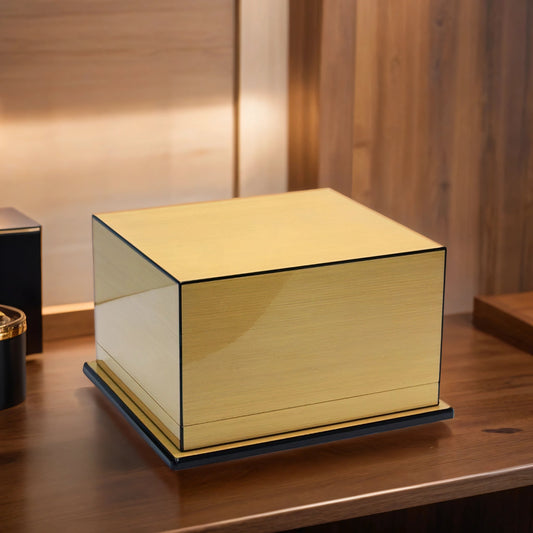
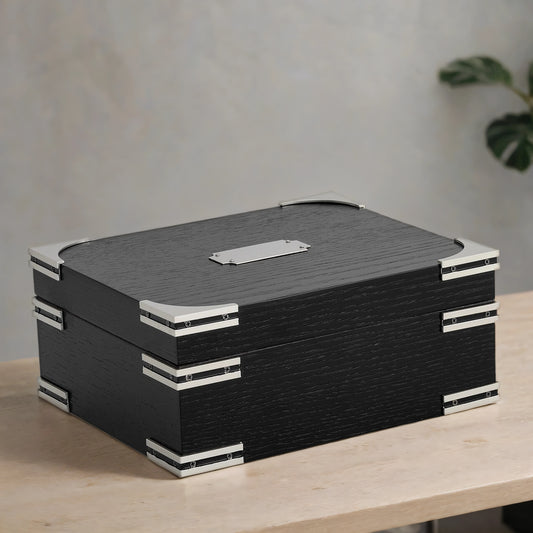
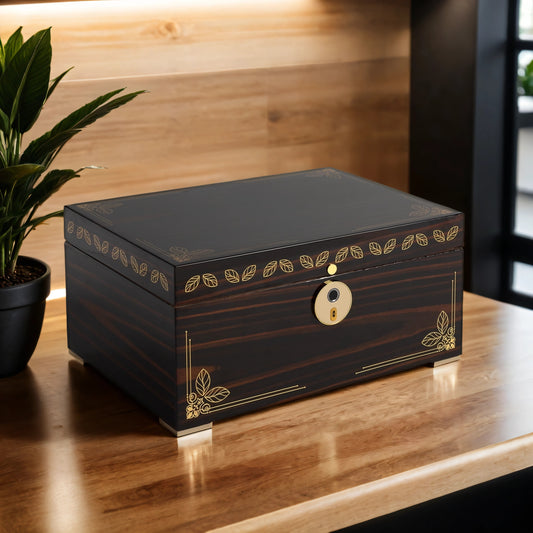
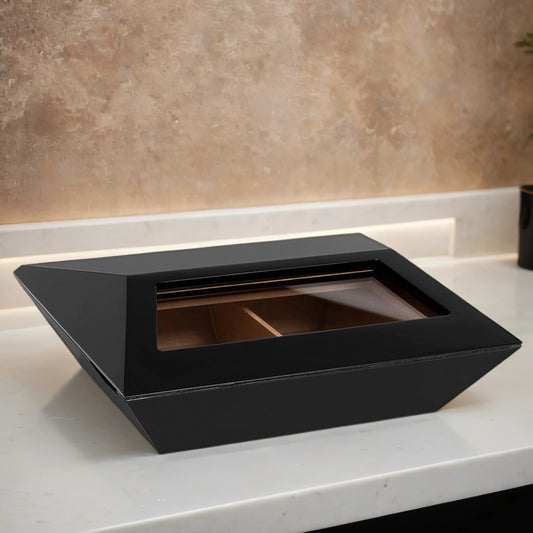
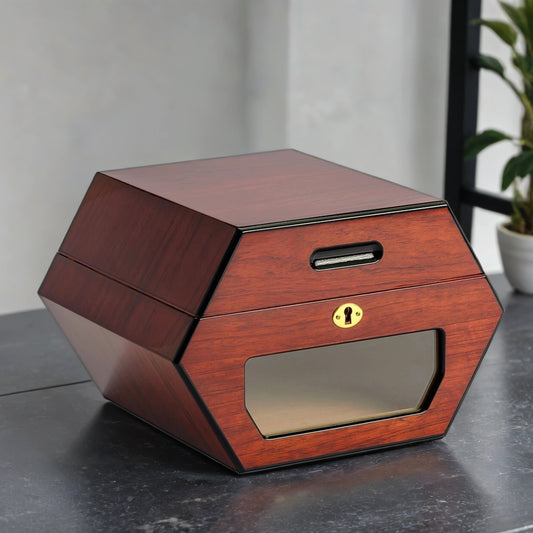
But before he could penalize the island nation's economy, Kennedy realized he had a serious domestic problem: his personal humidors were running dangerously low. To hold a stash that large, the man must have needed an entire room, or at least one of those industrial-grade humidor cabinets to keep things from drying out. Late one evening, he urgently summoned his trusted press secretary, Pierre Salinger, into the Oval Office. As detailed by historical accounts in Cigar Aficionado, a memorable conversation took place:
"Pierre, I need some help," the President said solemnly.
"I'll be glad to do anything I can, Mr. President," Salinger replied.
"I need a lot of cigars."
"How many, Mr. President?"
"About 1,000 Petit Upmanns."
Salinger went to work immediately. He spent the entire night driving across the city and calling local contacts, aggressively buying up every single box of inventory from premium cigar shops throughout Washington, D.C. By 8:00 a.m. the following morning, Salinger walked back into the Oval Office triumphant, having successfully secured 1,200 of JFK’s favorite vitolas. With his personal supply safely locked away in the executive quarters, Kennedy pulled out his pen, smiled, and signed the historic document making Cuban cigars illegal in the United States.
What Cigar Did JFK Smoke?
The specific blend most intimately tied to JFK's legacy is the H. Upmann Petit Corona, which was often referred to historically as the Petit Upmann. This classic Cuban treasure was renowned for its impeccably smooth, medium-bodied flavor profile, offering elegant notes of cedar, mild earth, and subtle spice.
Its modest size, traditionally a 5-inch length with a 42-ring gauge, made it the perfect smoke for quick 30-to-45-minute breaks between dense political meetings or during long, solitary hours of reflection in the Oval Office. White House logs and staff reports suggest that Kennedy was frequently so consumed by global crises that he would leave partially smoked H. Upmanns resting in ashtrays throughout the West Wing when abruptly called away to handle urgent intelligence briefs.

While the H. Upmann Petit Corona was undoubtedly his daily mainstay, Kennedy appreciated the artistry of Cuban tobacco as a whole. Whenever he traveled abroad on diplomatic missions, he used the opportunities to sample regional blends. Major historic summits in destinations like France, Austria, and Great Britain provided discrete, legal avenues for the President to restock his premium collection long after the domestic embargo had closed American ports to Cuban cargo.
Iconic Imagery and the Presidential Public Persona
The striking visual of JFK smoking a cigar quickly cemented itself as a core component of his public charm and charisma. Candid, black-and-white press photographs frequently captured the President holding a smoldering cigar with effortless, casual elegance, perfectly embodying the mid-century American ideal of masculine confidence, style, and refined sophistication. These iconic images did not alienate voters; instead, they reinforced his public aura as a relaxed, cool-headed, yet commandingly powerful leader who remained unfazed even in the absolute dead-center of Cold War global conflict.
Cigars and Tobacco in Kennedy’s Speeches
Kennedy was highly aware of tobacco’s massive cultural weight and economic footprint in 20th-century American life, so much so that it occasionally wound its way into his official rhetoric.
During his legendary 1962 address at Rice University, which is universally remembered for the iconic line, “We choose to go to the moon”, he wanted to contextualize the massive federal budget required for the space program. To make the numbers digestible to everyday citizens, he playfully compared the annual cost of the moon shot to the aggregate amount that the American public spent on cigarettes and cigars every single year. It was a clever, relatable rhetorical nod to how deeply embedded smoking rituals were in everyday pop culture.
The Pawn Stars JFK Cigar Box Phenomenon
Decades after his tragic assassination, Kennedy’s elite cigar legacy continues to resurface in modern media and pop culture. In one of the most famous episodes of the hit television show Pawn Stars, an authentic, custom-engraved ocean liner cigar box originally presented to JFK as a high-end personal gift was brought into the shop for appraisal.
The piece, directly linked to the late President's legendary habit, immediately became a holy grail item for elite historical collectors. While the massive asking price originally sparked fierce debate among the show's hosts, its true value lay entirely in the rich piece of presidential history it represented. The rare artifact ultimately sold to an enthusiastic collector for a staggering $75,000, proving that the JFK mystique remains incredibly valuable to this day.

The Lasting Legacy of the JFK Cigar Era
Though John F. Kennedy’s signing of the executive embargo permanently shattered legal access to original Cuban tobacco for generations of everyday American citizens, his personal affinity for them left an indelible mark on the global market. By completely blocking Cuba from trading with its largest consumer base, the embargo inadvertently forced the premium cigar industry to transform.
Master tobacco growers and exiled master blenders fled Cuba, taking their heirloom seeds and generational secrets to neighboring countries. This mass migration successfully birthed the cuban legacy cigar market, building the foundations for the powerhouse cigar industries thriving today in Nicaragua, Honduras, and the Dominican Republic.
Today, pulling a premium Petit Corona out of your humidor, especially a heritage H. Upmann, offers a tangible, sensory time capsule. It connects you directly to a bygone era when the leader of the free world found quiet solace, strategic clarity, and deep personal satisfaction in the exact same smoking ritual enjoyed by passionate enthusiasts across the globe. More than 60 years later, the image of JFK enjoying a fine stogie stands as an eternal symbol of timeless presidential style.